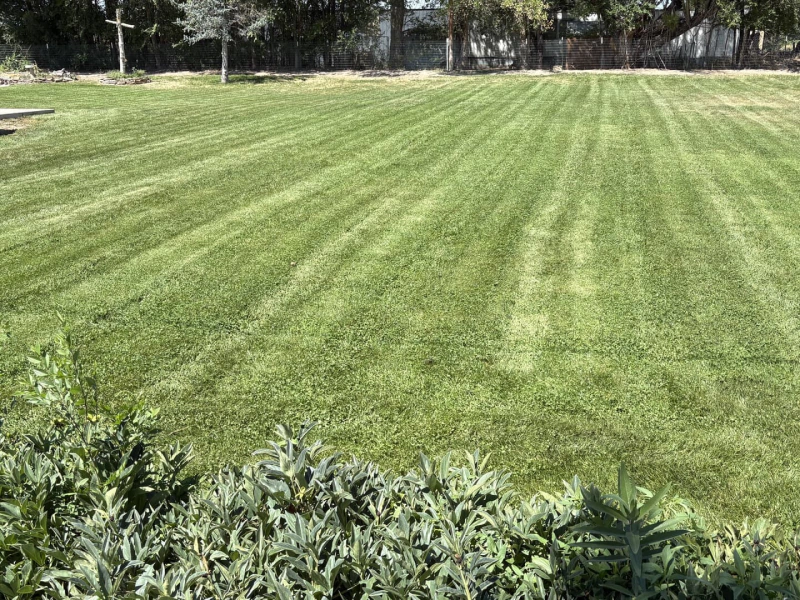
Understanding Your Yard’s Seasonal Needs
Hotchkiss lawns operate on a rhythm entirely their own. Spring frosts can linger into late May, testing the resilience of newly seeded areas, while summer sun at elevation intensifies drought stress faster than you’d expect. By the time fall rolls around, your yard is juggling recovery from heat damage with preparation for winter dormancy.
This cycle demands more than guesswork. Understanding when to fertilize, how often to water, and which grasses thrive in Northwest Colorado’s clay-heavy soil separates a lawn that survives from one that truly flourishes. Generic schedules imported from lower elevations fall short here; success comes from adapting to what your yard signals each season and responding with the right intervention at the right time. That’s where professional lawn care makes the difference, translating local conditions into actionable maintenance that keeps your grass healthy year-round.
The clay soils common throughout Hotchkiss present their own set of challenges. After snowmelt, compaction sets in quickly, choking root growth and preventing water from penetrating where it’s needed. A lawn that looked fine in October can emerge in April matted, soggy, and struggling to green up. Without aeration to break up that compacted layer, even the best watering and fertilization routines deliver disappointing results. Timing your first mow carefully also matters; cutting too early when late-season frosts are still possible can shock tender new growth and set your lawn back weeks.
Irrigation becomes another balancing act during the dry summer stretches typical of Northwest Colorado. Too little water and your grass goes dormant or dies off in patches. Too much, applied too frequently in shallow bursts, encourages shallow roots and makes the lawn even more vulnerable to heat stress. Deep, infrequent watering trains roots to grow downward, building resilience that pays off when temperatures spike and rainfall is scarce. Adjusting your watering schedule week by week based on actual weather conditions, rather than running the same cycle all summer, is one of those small shifts that produces visible improvement.
Fertilization timing in Hotchkiss doesn’t follow the calendar you’d use in Denver or the Front Range. Applying nitrogen too early in spring, before soil temperatures have truly warmed and grass is actively growing, wastes product and can trigger a flush of weak growth that late frosts will damage. The sweet spot usually arrives in late May or early June, once the risk of hard freezes has passed and your lawn is ready to put that nutrition to work. A second application in early fall, timed to support root development before winter dormancy, strengthens the lawn for the following spring without pushing vulnerable top growth that frost will kill.
Weed pressure shifts with the seasons too. Dandelions, crabgrass, and bindweed all exploit gaps in your turf, and once they’re established, they spread aggressively. A thick, healthy lawn is the best defense; dense grass crowds out weeds by occupying the space and resources they need. That density comes from consistent mowing at the right height (never scalping the lawn, which stresses grass and opens bare soil for weeds), timely fertilization that keeps growth vigorous, and overseeding thin areas before weeds can colonize them. If weeds do take hold, spot treatment or targeted intervention is far easier and more effective when caught early, before seed heads form and spread thousands of new problems across your yard.
Thatch buildup is another issue that sneaks up on homeowners. Thatch, the layer of dead grass stems and roots that accumulates between green blades and soil, isn’t inherently bad in small amounts. But when it thickens beyond half an inch, it blocks water, air, and nutrients from reaching roots, creating a spongy surface that harbors pests and disease. Dethatching or power raking in early spring or fall clears that barrier and lets your lawn breathe again. Pair it with aeration and you’ve tackled the two most common subsurface problems that undermine an otherwise solid care routine.
Seasonal cleanup also plays a bigger role than many people realize. Fallen leaves left to mat down over winter smother grass, create dead spots, and invite fungal disease. Branches, pine needles, and other debris need removal before the first mow of spring, or you’re mowing around obstacles and leaving pockets of trouble that will show up as brown patches later. Fall cleanup, done thoroughly, sets your lawn up to enter dormancy clean and reduces the disease and pest pressure you’ll face when growth resumes in spring.
Choosing the right grass varieties for Hotchkiss’s elevation and climate is foundational. Kentucky bluegrass is popular for its durability and recovery ability, but it demands consistent water and fertility. Fine fescues tolerate shade and drought better but grow more slowly and may thin out under heavy foot traffic. Perennial ryegrass establishes quickly and handles moderate use well, making it a solid choice for overseeding or filling in bare spots. Many successful lawns in the area use a blend, combining the strengths of multiple species to create turf that adapts to varying conditions across the yard. If you’re starting from scratch or renovating a struggling lawn, selecting the right seed mix or sod variety based on your specific sun exposure, soil type, and intended use saves headaches down the road.
Pest and disease management in Northwest Colorado is less about chemical intervention and more about cultural practices that keep problems from gaining a foothold. Proper mowing height (generally three to three and a half inches for cool-season grasses) reduces stress and keeps the lawn resilient. Watering early in the day allows foliage to dry before evening, minimizing the damp conditions that fungal diseases love. Avoiding over-fertilization prevents the lush, weak growth that attracts pests and succumbs quickly to drought or disease pressure. When issues do appear, whether it’s grubs damaging roots, chinch bugs sucking sap, or dollar spot fungus creating straw-colored patches, early identification and targeted treatment keep damage contained.
For homeowners managing their own lawn care, the learning curve can be steep. You’re balancing mowing frequency, blade sharpness, fertilizer types and rates, watering schedules, weed control, aeration timing, and seasonal adjustments, all while trying to read what your specific yard needs based on how it looks and performs. Miss one element and the whole system suffers. Apply too much of a good thing and you create new problems. It’s a constant feedback loop that rewards attention and consistency but punishes neglect and guesswork.
That’s why many Hotchkiss homeowners eventually decide that handing the reins to a reliable service makes more sense than struggling through trial and error. A knowledgeable lawn care provider brings experience reading local conditions, access to commercial-grade equipment that outperforms consumer models, and the ability to spot problems early before they require expensive fixes. You get the results of a well-maintained lawn without the weekly time commitment, the storage space for equipment, or the frustration of figuring out why your grass isn’t responding the way you expected.
The Hidden Cost of Neglect
A missed mowing here, a skipped fertilization there: it seems harmless until you’re staring at a yard overrun with weeds, bare patches spreading where grass used to grow, and soil so compacted that water pools instead of soaks. What started as deferred maintenance quickly compounds into a rescue project that costs far more in time, labor, and materials than steady upkeep ever would have.
Neglected lawns don’t just look rough. They become breeding grounds for pests, lose their ability to manage stormwater runoff, and erode curb appeal in ways that directly impact property value. The longer you wait, the harder it becomes to reverse course without significant intervention, like grading, reseeding, or even full sod replacement. Consistent professional care is not an expense; it’s insurance against the spiral of deterioration that turns a manageable task into an overwhelming overhaul.
Building a Routine That Works
The secret to a great-looking lawn isn’t mystery products or complex science. It’s consistency. A predictable schedule of mowing, edging, fertilization, and seasonal cleanup keeps your grass strong, your soil healthy, and problems small before they escalate. Weekly or bi-weekly mowing during the growing season prevents thatch buildup and encourages dense, even growth. Fertilization timed to Hotchkiss’s specific climate windows (late spring and early fall) fuels root development without pushing weak, frost-vulnerable top growth.
Pair that with aeration to relieve soil compaction, smart watering that soaks deep rather than spraying shallow, and pre-winter cleanup that removes debris and prevents disease, and you’ve built a routine that pays dividends year after year. The best part? Once the rhythm is established, maintenance becomes straightforward. Your lawn responds predictably, issues are caught early, and you’re not scrambling to fix what could have been prevented. When life gets busy and the routine slips, having a reliable partner to step in keeps everything on track without the yard suffering. If you need help maintaining that routine, our lawn care services keep your yard healthy and looking great all season.
Why One Call Should Solve Multiple Problems
Lawn care rarely exists in isolation. You start with overgrown grass, then notice poor drainage pooling near the foundation. Or you want fresh sod installed, but the yard needs grading first to fix the slope. Coordinating separate contractors for each piece drags out the project, multiplies the hassle, and often results in finger-pointing when something doesn’t line up.
The smarter approach? Work with a team that handles the full spectrum of lawn and landscape services. Mowing and edging, sure, but also grading and resloping when water flow is the issue. Sod installation and seeding when bare spots need attention. Retaining walls and drainage solutions when erosion threatens your landscape investment. Even junk removal when old furniture, broken equipment, or construction debris needs hauling before the yard work can begin. One point of contact, one crew that understands how each element connects, and one timeline that keeps the entire project moving without gaps or delays. That’s how outdoor transformations actually get finished instead of stalling halfway.
When Responsiveness Matters Most
You call because the lawn has gotten away from you, or a storm knocked down branches, or you’re selling the house and need the yard presentable fast. In those moments, the difference between a service that answers promptly and one that leaves you waiting for days is the difference between problem solved and problem compounded.
Swift Haul Landscape Solutions operates around the clock, ready to respond when you need help. Verified five-star reviews consistently highlight the same themes: fast response times, clear communication, hard work, and respectful service that goes beyond the job description. Whether it’s an elderly parent’s overgrown yard that needs immediate attention, an irrigation repair that can’t wait, or a junk haul that clears the path for new landscaping, the team shows up, tackles the work efficiently, and keeps you informed every step of the way. That reliability isn’t a marketing claim; it’s reflected in customer feedback from people who’ve experienced it firsthand. When your yard needs attention and you need it handled right, responsiveness isn’t a nice-to-have. It’s everything.
If your yard needs more than routine care, whether it’s drainage fixes, grading work, or a complete refresh, give us a call at (970) 518-0545 or visit our lawn care services page to see how we can help.